
George Mason University offers flexible communication options for faculty and staff by providing both traditional desktop phones and modern softphone capabilities. Users can make and receive calls using physical desk phones or opt for softphones accessible through the web-based platform or mobile app. This dual setup ensures seamless connectivity whether on campus or working remotely, supporting a more mobile and adaptable work environment.
Softphone Via Desktop & Mobile App
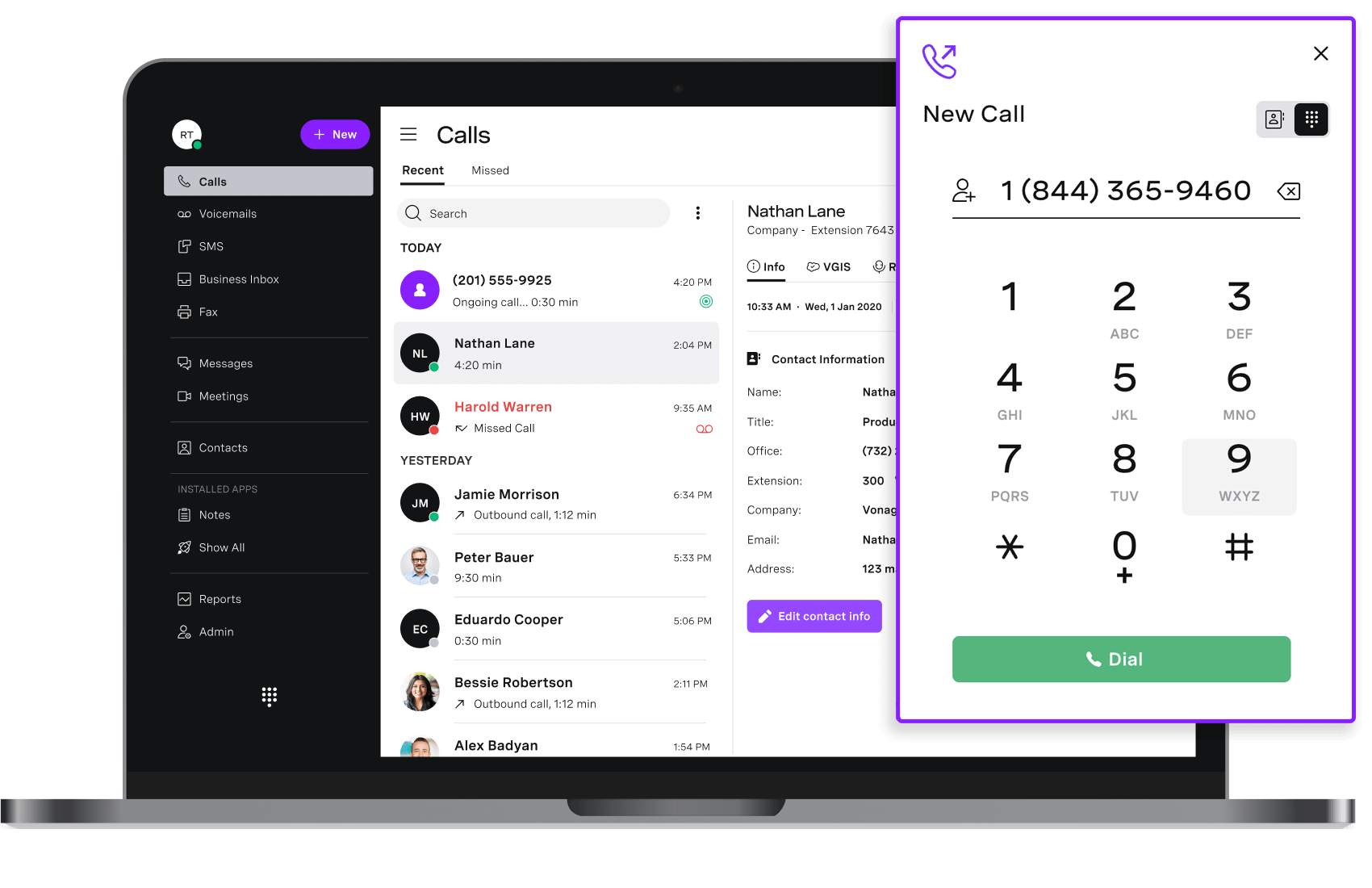
To learn more about how to download and configure the desktop application, please see How to Install and Log Into the Vonage Desktop App (Softphone). Additionally, the Vonage Desktop App (Softphone) Guide provides in-depth instructions on how to use the application to manage calls, SMS, and fax.
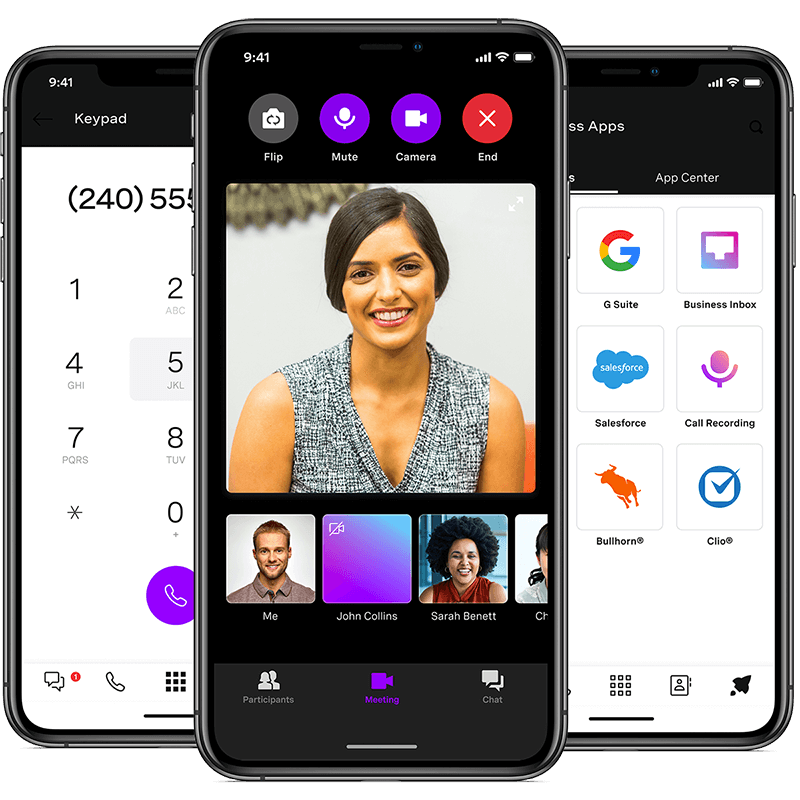
To learn more about how to download and configure the mobile application, please see How to Install and Log Into the Vonage Mobile App. Additionally, the Vonage Mobile App Guide provides in-depth instructions on how to navigate and use the application to manage settings, calls, and voicemail.
Desktop Phones
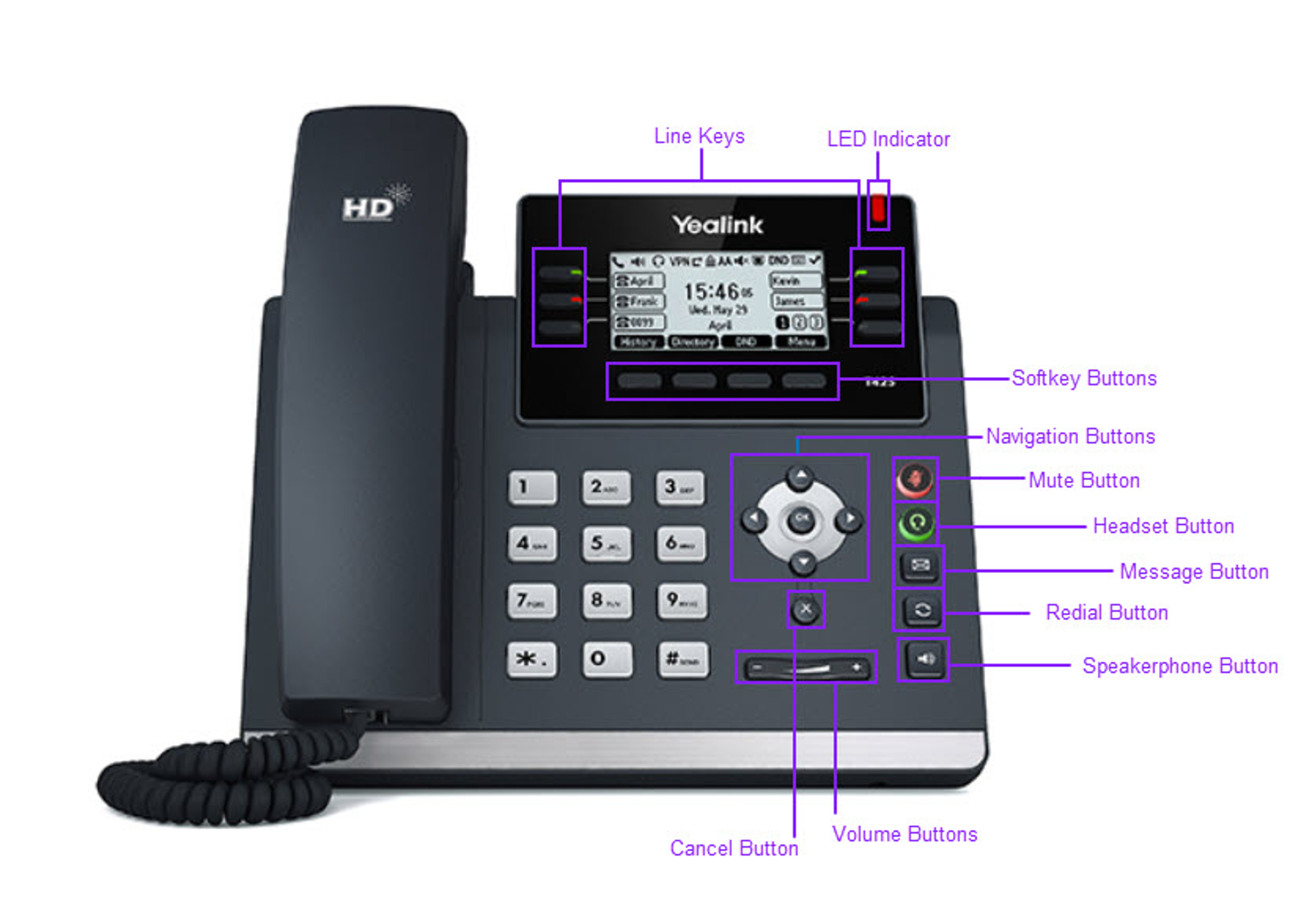
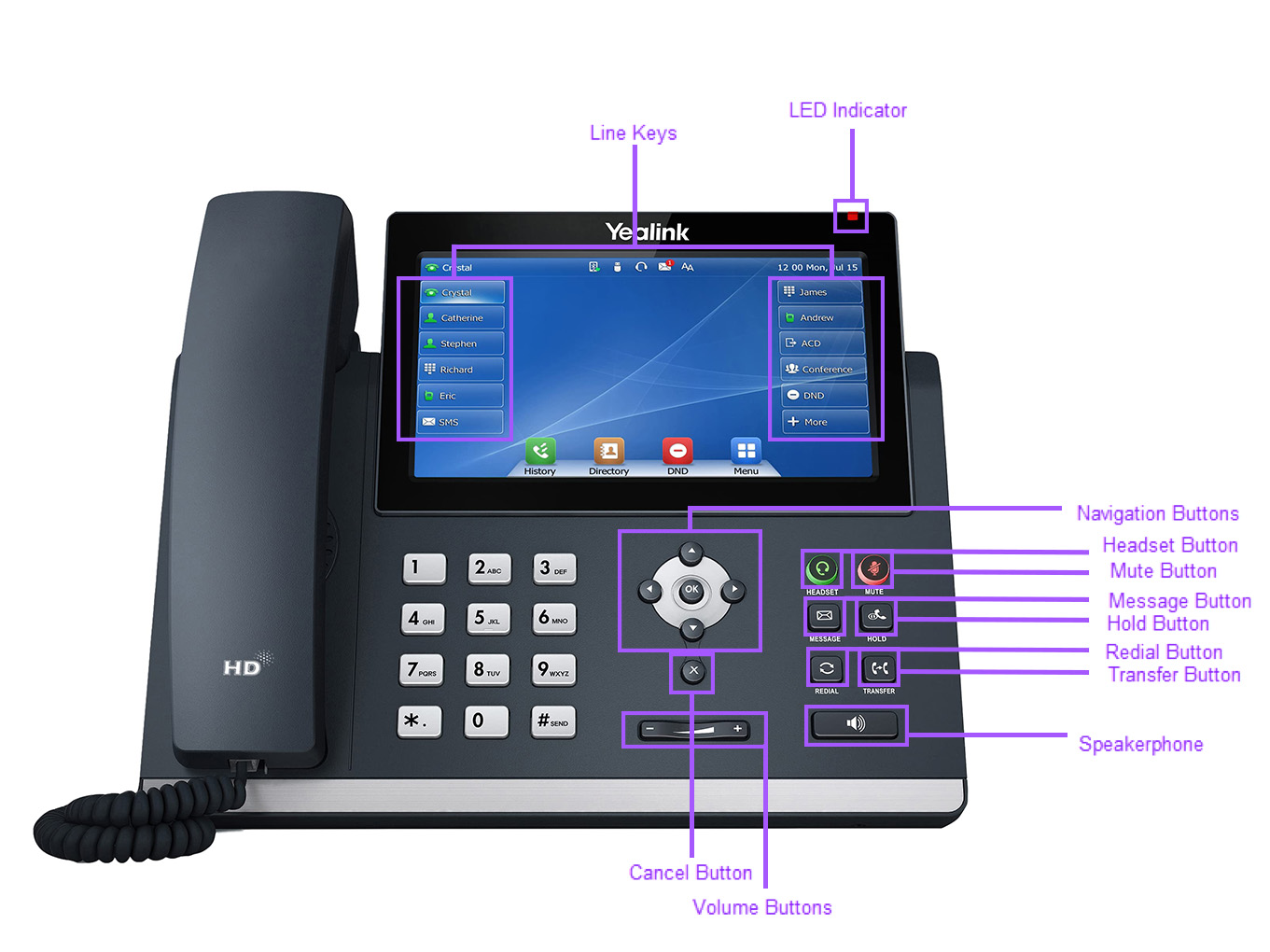
Features and Functions
- LED Indicator: The LED indicator flashes to indicate an incoming call or recent missed call (red flashing light) or a new voice message (steady red light). Note: Turn off the flashing indicator by listening to voicemail or checking recent call history.
- Line Key: These buttons indicate the status of your lines and associated activity. The backlighting informs you when a line is idle, ringing, in use, on hold, or disconnected.
- Soft Key Buttons: The functions for the soft key buttons appear directly above the keys on the display. Their functions are context-sensitive, meaning the soft keys’ functions change depending on your current activity. (I.e., if you are conferencing, the soft keys display functions related to the conference function.)
- Navigation Buttons: Scroll through the options and lists on the display by pressing left, right, up, or down. To select an item, press OK in the center of the four-way navigation arrows. To cancel or back up to a previous screen, press the cancel (X) button below the down navigation arrow.
- Mute: Toggles to indicate whether a feature is muted or not.
- Headset: Toggles to indicate whether the phone is in headset mode or not.
- Message: This button accesses your voicemail messages.
- Redial: This button redials a previously dialed number.
- Speakerphone: Toggles to indicate hands-free speakerphone mode.
- Volume: These buttons adjust the volume of the handset, headset, speaker, and ringer.
- Cancel: This button cancels actions or rejects incoming calls.
Using Your Desk Phone
Manage Calls
Place a Call
- To place a call, pick up the handset, enter a valid 10-digit phone number, and press the Send soft key.
Receive a Call
- To answer a call, pick up the handset or press the Answer soft key to activate the speakerphone.
- To answer a call when you’re on an active call, press the Answer soft key. The incoming call is answered, and the original call is placed on hold.
Place a Call on Hold
- Press the Hold soft key.
Resume a Call on Hold
- Press the Resume soft key.
- If you have more than one call on hold, tap the call you wish to continue and press the Resume soft key.
Forward a Call
- By default, calls that are not answered will go to voicemail. To forward calls to a destination other than voicemail, enable call forwarding.
- To enable call forwarding (on the T43), press the Menu soft key. Next, select Features, then Call Forward, and press the Enter soft key. Use the navigation arrows to switch the setting to Enabled, then press the Down Navigation Arrow and enter the phone number to which to forward calls. Lastly, press the Save soft key when you are done. You will see the Forwarding indicator on the home screen.
- To enable call forwarding (on the T48), press the Menu soft key next, select Features, then press the OK button. Select Call Control, then Call Forward, then press the Enter soft key. Use the navigation arrows to switch the setting to Enabled, then press the Down Navigation Arrow and enter the phone number to which to forward calls. Lastly, press the Save soft key when you are done. You will see the Forwarding indicator on the home screen.
Note: It is recommended that this setting be managed in the Vonage desktop application. This will help maintain consistency with any other forwarding rules set for the phone line.
Place a Call from a Shared Line
- With a shared line appearance, authorized users can place and receive calls from other users’ lines. If you are authorized to share a line with another user, you can see that user’s identity in the display and place and receive calls from the shared line.
- To place a call from a shared line, tap the shared line and enter the party’s valid 10-digit number, then press the Send soft key.
- To receive a call on a line that you are sharing, when the line is ringing, tap the line, then press Answer.
Set Do not Disturb
- The do-not-disturb feature sends all incoming calls to voicemail. You will see a DND icon on the home screen when this feature is active. Callers will hear the busy greeting and be sent to your voicemail.
- To enable Do Not Disturb, press the DND soft key.
- To disable Do Not Disturb, press the DND soft key.
Voicemail and Contacts
Access your Voicemail
- A message waiting indicator notifies you when you have a new voicemail message.
- To check your voicemail, press the Messages button. When prompted, enter your voicemail passcode followed by the pound key. Follow the audio prompts to retrieve your voicemail messages.
Note: If you forget your voicemail passcode, please contact your telecom coordinator to have it reset.
Access Call History
- To see recently placed and received calls:
- Press the Redial/History key. To dial a number, select the number you wish to call.
- Also, while on the main screen, you can press the Up Navigation Arrow to access the Call History screen or press the History soft key.
Add Contacts to your Directory
- Press the Directory soft key. Select the contact group you would like to add a contact to, then press the Add soft key and enter the contact’s name. Then press the Down Navigation Arrow and enter the phone number. When finished, press the Add soft key.
Manage Call Transfers
Blind Transfer
A blind (or unannounced) transfer takes place when you transfer a call to someone else without announcing the call first.
- To conduct a blind transfer while on an active call: press the Transfer soft key and enter the destination to which you wish to transfer the call. Press the Transfer soft key again. This completes the transfer.
Note: When performing a blind transfer, the caller ID of the transfer recipient will show the information of the contact you are transferring.
Consulted Transfer
A consulted (or announced) transfer is performed when you announce the call to the recipient before transferring the call. This transfer is the default transfer method. However, contact your Vonage administrator if you wish to change the default.
- To conduct a consulted transfer while on an active call, press the Transfer soft key (the caller is automatically placed on hold), then dial the receiving party and press OK to dial out.
- Once the receiving party answers, announce the call. To complete the transfer, press the Transfer soft key again.
Note: When performing a consulted transfer, the caller ID of the transfer recipient will show your contact information, as you will be announcing the call first. If you prefer to transfer the caller ID as well, you should perform a blind transfer.
Voicemail Transfer
A direct-to-voicemail transfer is performed when you transfer a call directly to another user’s voicemail.
- To conduct a direct-to-voicemail transfer while on an active call, press the Transfer soft key. Then, enter star, star, followed by the user’s extension and pound (#), and press Transfer again. This will complete the transfer to voicemail.
Note: If your default transfer method is consulted transfer, you must perform a blind transfer using the direct-to-voicemail option.
Park and Retrieve Calls
Call Park holds a call to be picked up on another phone.
- To park a call while on an active call, press the Transfer soft key and Dial *103#. You will be told the number where your call will be parked. Press the Transfer soft key. Your call has now been parked.
- To retrieve a parked call while the phone is idle, dial *104# and enter the parking spot number where the call was parked.
Initiate a Three-Way Conference
- While on an active call, press the Conference soft key (the first call is placed on hold), enter the second 10-digit valid phone number, then press the Send soft key. When the second party answers, press the Conference soft key again to connect the calls.